Rwanda is a year-round destination, and the best time to visit depends on what you want to do. If your priorities are gorilla trekking, hiking and photography, the most reliable windows are the two dry seasons — broadly June to September and the shorter stretch from December to February — when forest trails are firmer, the Virunga volcanoes are clearer and the safari roads of Akagera are easier to drive. If you would rather have green hills, full waterfalls, quieter parks and less demand for lodges, the wetter months around March to May and October to November are genuinely rewarding rather than a compromise.
Rwanda is small but high, so the weather changes with altitude: Kigali sits at around 1,567 m, while gorilla trekking in Volcanoes National Park takes place between roughly 2,500 m and 4,000 m, and Nyungwe Forest is cool and damp for much of the year. Season boundaries also shift from year to year, so treat the patterns below as typical rather than fixed — and check the Rwanda Meteorology Agency’s latest seasonal forecast before you lock in dates.
How Rwanda’s Seasons Actually Work
Rwanda has a tropical highland climate with two rainy seasons and two dry seasons each year. The long dry season runs from roughly June to September, separated by the long rains that fall mainly across March, April and May. A shorter dry season follows from around December to February, with a shorter wet spell in between around October and November.
Three things matter more than the calendar:
- Altitude — temperatures fall as you climb. Kigali is mild year-round, but mornings and evenings in Musanze, Kinigi and Nyungwe are cold enough to need a jacket, and the forest itself stays wet long after the rain stops.
- Region — the west and north-west receive more rain than the lower, warmer east around Akagera. A wet day in Nyungwe does not mean a wet day in the east.
- Time of day — rain, when it comes, usually arrives in heavy afternoon bursts. Early starts are the single most useful habit in any month.
The Dry Seasons: The Most Reliable Travel Windows
June to September (long dry season)
This is the classic window. Trails through the bamboo and Hagenia forest around Volcanoes National Park are firmer underfoot, the volcano chain is more often visible from the ridge above the Twin Lakes, and Akagera’s grass shortens as the season progresses, which concentrates wildlife around water. It is also the busiest period of the year, and Rwanda’s permit system is deliberately limited: eight permits are issued per habituated gorilla family per day, and around 96 permits per day across the country’s twelve fully habituated families. If your dates are fixed in July or August, book well ahead rather than hoping to fill a gap on arrival.

December to February (short dry season)
The shorter dry season is warmer and greener, and the light is softer. It suits lake time — Lake Kivu and the Twin Lakes are pleasant then — as well as Kigali city tours and Akagera game drives. Expect occasional showers even in a dry month, and expect strong demand over the Christmas and New Year period.
The Rainy Seasons: Fewer Crowds, More Colour
Rain does not close Rwanda. Gorilla trekking, golden monkey trekking, Nyungwe’s canopy walk and Akagera game drives all operate year-round; what changes is the condition of the ground and the number of other visitors.
March to May (long rains)
April is usually the wettest month. The hills are at their greenest, waterfalls are at full flow, and the tea and coffee landscapes of the south-west look their best. Forest trails become muddy and slippery, so good boots, gaiters and a waterproof jacket matter, and trekking times can run longer. The upside is real: fewer visitors, easier permit availability and a very different, quieter Rwanda.
October to November (short rains)
The shorter wet spell is one of the most underrated periods to travel. Showers are frequent but often brief, hiking and birding are excellent, and the parks are far less busy than in July and August. Nyungwe in particular is at its most atmospheric.
Month-by-Month at a Glance
- January — short dry season; warm, comfortable days. Good for Akagera, Lake Kivu and Kigali, with a post-festive lull in the first weeks.
- February — drying out, with occasional showers. Trekking conditions improve and demand is still moderate.
- March — the rains build. Lush and quiet, but expect mud on forest trails.
- April — typically the wettest month. Excellent for waterfalls, birding and photography, and the quietest time in the parks.
- May — the rains taper, often late in the month. Green landscapes, manageable trails, low visitor numbers.
- June — the dry season begins. Among the best all-round conditions of the year, before peak demand arrives.
- July and August — peak season: the most dependable weather and the highest demand. Book permits, guides and lodges early.
- September — still dry and clear, and the month of the Kwita Izina gorilla naming ceremony, usually held in Kinigi. In 2026 the 21st edition took place on 4 September and named 22 baby mountain gorillas.
- October — the short rains arrive. Fewer visitors, dramatic light, excellent value in terms of space and pace.
- November — wet, green and quiet. A strong month for birding and for Nyungwe.
- December — dry again, with festive-season demand from mid-month.
Gorilla Trekking in Every Season
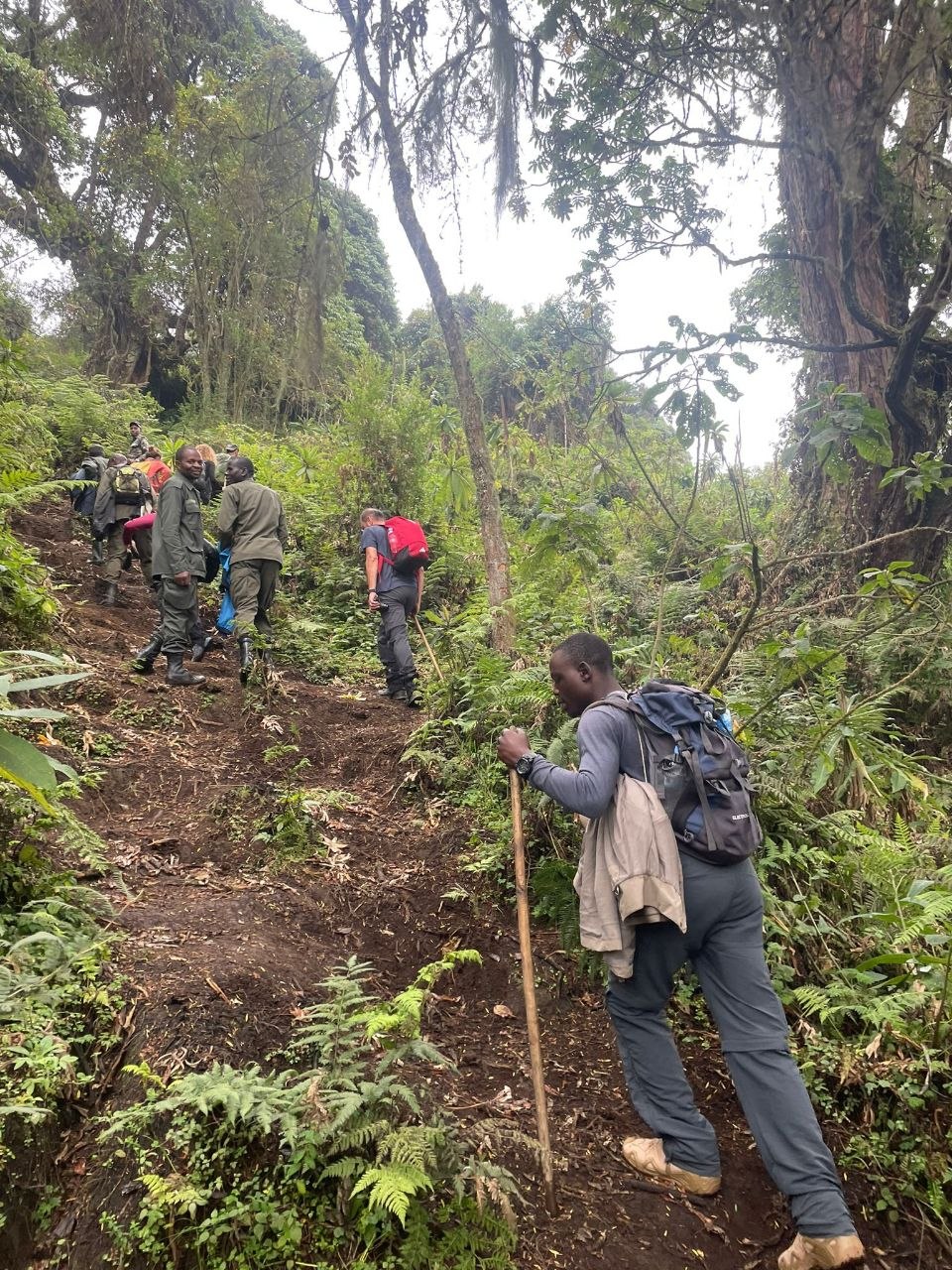
Gorilla trekking runs throughout the year, and the experience itself does not change with the calendar. Visitors gather at the Volcanoes National Park headquarters in Kinigi at 7am, are allocated a family according to fitness and interest, and are briefed on the rules. Each habituated family receives a maximum of one hour of visitor time per day, and the minimum age for trekking is 15. Hikes to reach a family can take anything from 30 minutes to four or more hours, at altitudes between about 2,500 m and 4,000 m, and porters are available to carry packs and lend a hand.

What changes with the season is the approach. In the dry months the ground holds better and the walk is often quicker. In the rains you should expect mud, longer hikes and a wet hour with the gorillas — which is why gaiters, gloves, sturdy boots and a lightweight waterproof jacket are standard advice rather than optional extras. If your travel dates are flexible, the wetter months are generally easier to secure at short notice.
Permit tariffs are set by the Rwanda Development Board and have been revised before, so confirm the current rate, availability and any residency offers before you budget. Our complete guide to gorilla trekking in Rwanda covers the day in detail, and the rules and etiquette in Volcanoes National Park explain what guides ask of visitors. To book a trek, see our gorilla trekking experience.
Akagera, Nyungwe and the Lakes by Season
Akagera National Park
Akagera is the warmest, lowest and driest part of the country, and the dry season is when game viewing is most straightforward: shorter grass, animals gathered closer to water and easier driving on the park’s tracks. Birding here is excellent at any time, with close to 500 recorded species, and the park has become the last refuge for savannah-adapted species in Rwanda — lions were reintroduced in 2015, eastern black rhino in 2017 and 2019, and southern white rhino from 2021 onwards. Start at dawn in any month; the middle of the day is hot. See our Akagera National Park safari guide or the Akagera safari trip.

Nyungwe Forest
Nyungwe is the exception to every seasonal rule: it is cool and wet for most of the year, with daytime temperatures around 20°C and nights dropping to roughly 10°C. Rain gear is essential in every month. The canopy walkway and the 1,935 m zipline, one of Africa’s longest, run year-round, and chimpanzee tracking is limited to eight visitors per habituated community per day. Allow five to six hours for the drive from Kigali (about 225 km), or take the short flight to Kamembe. Nyungwe was declared a UNESCO World Heritage Site in 2023 and is home to 13 primate species. Read our Nyungwe canopy walk guide.

Lake Kivu, the Twin Lakes and the Congo Nile Trail
The western lakes are enjoyable all year, and the dry seasons simply make them better: calmer water in the mornings, clearer views of the Virunga volcanoes from the ridge above Lake Burera and Lake Ruhondo, and drier paths on the shoreline terraces. The Congo Nile Trail is rideable and walkable through both seasons, but expect slippery sections in the rains. Start with our guides to Lake Kivu, the Twin Lakes and hiking the Congo Nile Trail, or browse the Lake Kivu relaxation retreat.

Events and Cultural Highlights Worth Planning Around
Rwanda’s biggest conservation event is Kwita Izina, the annual gorilla naming ceremony, which has been held in Kinigi in the foothills of Volcanoes National Park in recent years and is normally staged in September. The 21st edition, held on 4 September 2026, named 22 baby mountain gorillas, bringing the total named through the ceremony since 2005 to 460. Exact dates are announced each year, and the week around the ceremony brings cultural evenings, concerts and community events in Musanze. World Gorilla Day on 24 September is a second fixed date in the calendar — it marks the founding of the Karisoke Research Center by Dian Fossey in 1967.
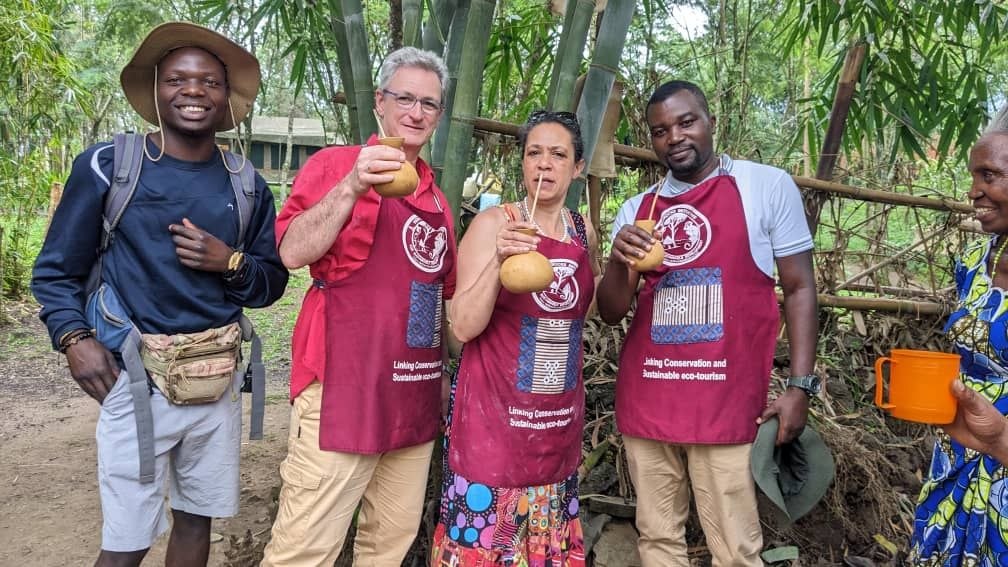
Cultural experiences — cooking with a community, fishing-village visits, banana beer preparation and tea or coffee tours — run throughout the year, and the wetter months are ideal for them, because a rainy afternoon is better spent indoors with people than on a mountain. Tourism revenue sharing also means your trip contributes: ten per cent of park revenues is invested back into communities around the parks, supporting projects in education, healthcare and water access.
Aligning Rwanda with Uganda and Tanzania
Uganda’s and Tanzania’s dry seasons broadly overlap Rwanda’s, which makes a combined itinerary simpler between June and September and again in the shorter dry window around December to February. Wildlife viewing in Tanzania’s parks is generally strongest in the dry months, when vegetation thins and animals gather at water, and Uganda’s forest parks behave much like Nyungwe — wetter, cooler and best walked with good boots. Park rules, road conditions and permits differ by country, so confirm current guidance for your specific dates rather than assuming the pattern carries across borders. We plan cross-border itineraries regularly; our three-day Rwanda and Uganda gorilla trekking itinerary shows how that works in practice.
What to Pack and When to Book
Packing for Rwanda is mostly about layering and water. Bring a light waterproof jacket, a warm mid-layer for cold mornings, long trousers and a long-sleeved shirt, gardening or leather gloves and gaiters for trekking, sturdy closed shoes with grip, sun protection, insect repellent, binoculars and a refillable water bottle. Carry small cash notes for porters, community visits and tips.
On timing, two rules serve most travellers well. First, if your trip depends on a specific date — a birthday, a honeymoon or a fixed holiday — book permits and lodges as early as you can, because daily permit numbers are limited and peak-season lodges around Kinigi fill first. Second, if your dates are flexible, consider the shoulder weeks at the start and end of the dry seasons and the shorter wet spells; you trade a little rain for far more space, attention and spontaneity.
Frequently Asked Questions
What is the best month to visit Rwanda?
For the most dependable weather, June to September and December to February. June and September are often the sweet spot: dry-season conditions with less pressure on lodges and permits than July and August.
Can you go gorilla trekking in the rainy season?
Yes. Trekking operates every month of the year, and the hour with a gorilla family is the same experience. Expect muddier, slower hikes and bring proper rain gear, gaiters and gloves.
How far in advance should I book a gorilla permit?
As early as your dates allow for July, August and the Christmas period, and several months ahead at other times. Rwanda issues eight permits per habituated family per day, and around 96 per day in total, so peak dates do sell out. Confirm current tariffs and availability with us before budgeting.
Is April or May worth visiting Rwanda?
Yes, if you value green landscapes, waterfalls, birding and quiet parks over perfect trail conditions. April is the wettest month and the quietest; May improves steadily as the dry season approaches.
When is the best time for an Akagera safari?
The dry months, when the grass is short and wildlife concentrates near water. The park is open and rewarding year-round, and early mornings are best in every season.
What is the weather like in Nyungwe Forest?
Cool and wet for most of the year, with roughly 20°C by day and 10°C at night. Rain is possible in any month, so plan for waterproofs and dry spare clothing.
When is the Kwita Izina gorilla naming ceremony?
It has been held in September in recent years, in Kinigi near Volcanoes National Park. Dates are announced annually — the 21st edition took place on 4 September 2026 — so confirm the next date before planning around it.
Plan Your Rwanda Trip Around the Right Season
Gorilla Nest Expeditions builds private itineraries across Rwanda, Uganda and Tanzania, and the first thing we do is match your dates to what you actually want to see — a dry-season trek in Volcanoes National Park, a quiet green week in Nyungwe, lake time on Kivu, or a longer journey that links the three countries. Tell us when you can travel and we will tell you honestly what to expect.
Email info@Gorilla Nest Expeditionsexpeditions.com or message us on WhatsApp at +250 782 399 193. You can also browse all our Rwanda safari tours and read a practical 7-day Rwanda itinerary to see how the pieces fit together.
Official resources worth checking before you book: Visit Rwanda — gorilla tracking, Rwanda Development Board for current tourism news and permit guidance, and Rwanda Meteorology Agency for seasonal forecasts.